
I just got back from two weeks in the Azores. "Where's that?" people ask. These Portuguese islands are located in the middle of the Atlantic, a two-hour flight west of Lisbon. Absolutely stunning. I'd describe them as a mix of Portugal, Costa Rica, and New Zealand.
After the trip, I went to a networking event at Wintercircus Ghent and talked about it. People smiled politely.
"Oh, that's nice. Did you have fun?"
"Where was that again?"
"Would you recommend going?"
All valid responses. Clean. Nice. That's how people react when they hear someone talk about a trip they didn't take themselves.
Then I said, "Did you know the Portuguese used to call them the Flemish Islands?" The atmosphere changed. "Really? Huh, explain." People leaned in.
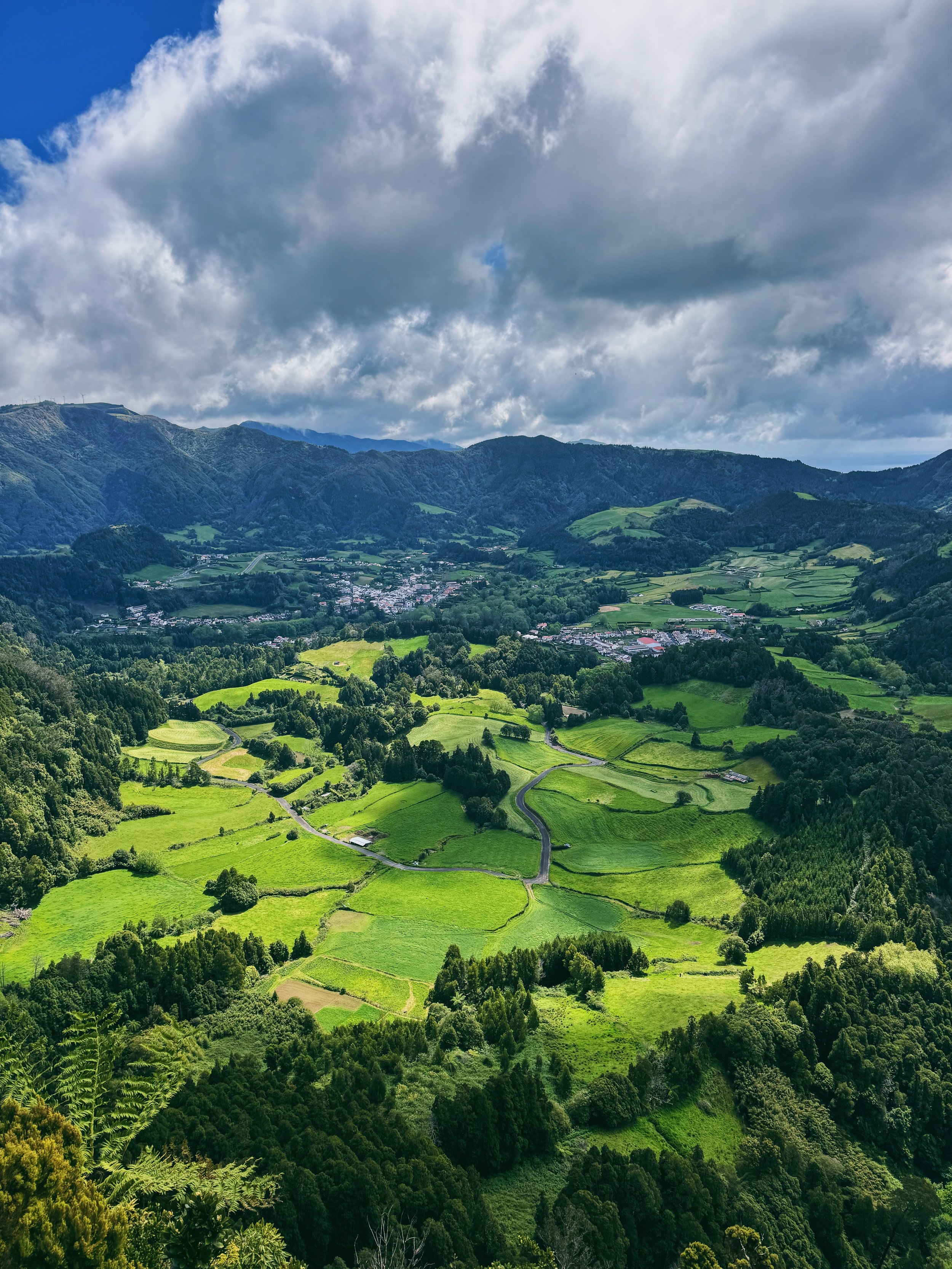
In the fifteenth century, Flanders was in decline. The Hundred Years' War had finally come to an end, the cloth trade that had once made Bruges and Ghent wealthy was fading, and poverty and unrest were rampant. A Portuguese princess named Isabella, who had married into the ruling house of Flanders, opened a door, and Flemish families set sail for islands on the other side of the Atlantic. For a while, the Portuguese called the archipelago the Ilhas Flamengas: the Flemish Islands.
And you can still taste it. The Flemish were a people of dairy farming, so they brought their cattle and their expertise. People from a wet, green land found a wet, green island in the middle of the ocean, and did what they did best: make cheese.
The São Jorge cheese for which the islands are known today comes directly from them. Five centuries later, a piece of Flanders on a plate in the Atlantic.
The person next to me remarked, "Bram's a storyteller, can't you tell?" It took me by surprise, because yes, I had told a story. It shifted the conversation from me just talking about something I'd done to something we shared—a mutual interest. It made it interesting for them.
That's what stories do. You can tell people what you do. Or you can meet them where they are. It determines whether people just hear you, or really listen.

